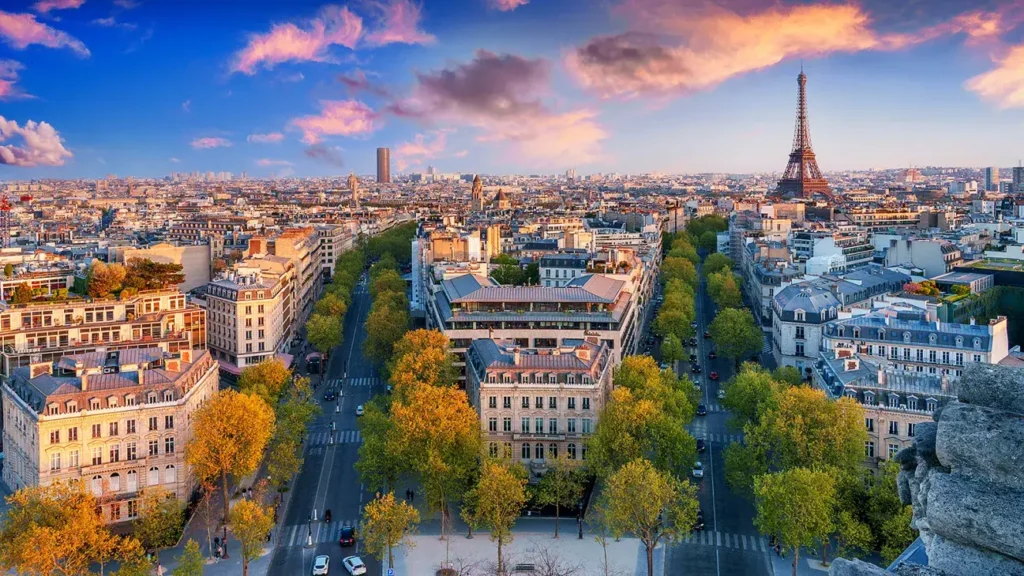
About Paris
Overview
Paris is one of those destinations where the flight search itself can feel like the first decision of the trip. It’s consistently one of the most-flown-to cities in the world, which means fares swing wildly by season, seat availability tightens fast around major events like Fashion Week or the Christmas markets, and the airport you land at genuinely changes how your trip starts. Add in the fact that Paris is split across dozens of distinct neighborhoods each with its own pace, price point, and proximity to what you actually came to see — and it’s easy to end up overpaying for a flight into the wrong side of the city, or booking a hotel that looks central on a map but eats 40 minutes of your day in transit. Getting the flight, the airport, and the neighborhood right before you book locks in most of what makes a Paris trip feel effortless instead of rushed. Here’s what actually matters.
When Flights to Paris Are Cheapest
Airfare to Paris follows a predictable rhythm. Winter specifically January through early March consistently produces the lowest fares of the year, since demand drops off hard right after the Christmas market season ends. Late November and the shoulder weeks of March also tend to be quiet.
Summer is the opposite story. July and August carry the highest prices and the fullest planes, driven by European school holidays as much as tourist demand. If your dates are flexible, shifting a trip by even two or three weeks out of peak summer can meaningfully cut the fare. Flights are available on AirDealio, See our Flight details by Clicking Here.
CDG or Orly Does It Actually Matter?
- Charles de Gaulle (CDG)Most long-haul and transatlantic flights land at, about 25km northeast of the city. It’s the bigger, busier airport, and the RER B train gets you into central Paris in 35–50 minutes.
- Orly (ORY) handles more European and short-haul traffic, and sits closer to the city roughly 13km south. The newer T7 tram and Orlyval-RER B combo get you downtown in about 30–40 minutes, often with a calmer terminal experience than CDG.
If your itinerary gives you a choice say, a connection that could route through either Orly is usually the less stressful arrival, especially with heavy luggage or a late-night landing.
Picking Where to Stay
The mistake most first-time visitors make is picking a hotel based on price alone, then discovering they’re 40 minutes from everything they actually wanted to see. Paris is compact, but which side of it you’re on changes your whole trip.
If you want to be close to the river, walkable to major landmarks, and surrounded by good food without needing a map Le Marais and Saint-Germain-des-Prés are the two areas that consistently deliver that. Both sit centrally, both are dense with cafés and small museums, and both put you within a 20-minute walk of Notre-Dame.
If budget is the driving factor, the Latin Quarter offers the same central access at a noticeably lower nightly rate, with a younger, more casual feel around the university district. Flying from Australia? Paris pairs naturally with a London stopover — see Sydney to London route details.
The rule of thumb: the closer you are to the Seine, the more you’ll walk and the less you’ll need transit which matters more on a short trip than it sounds.
Famous Places to See in Paris
Eiffel Tower
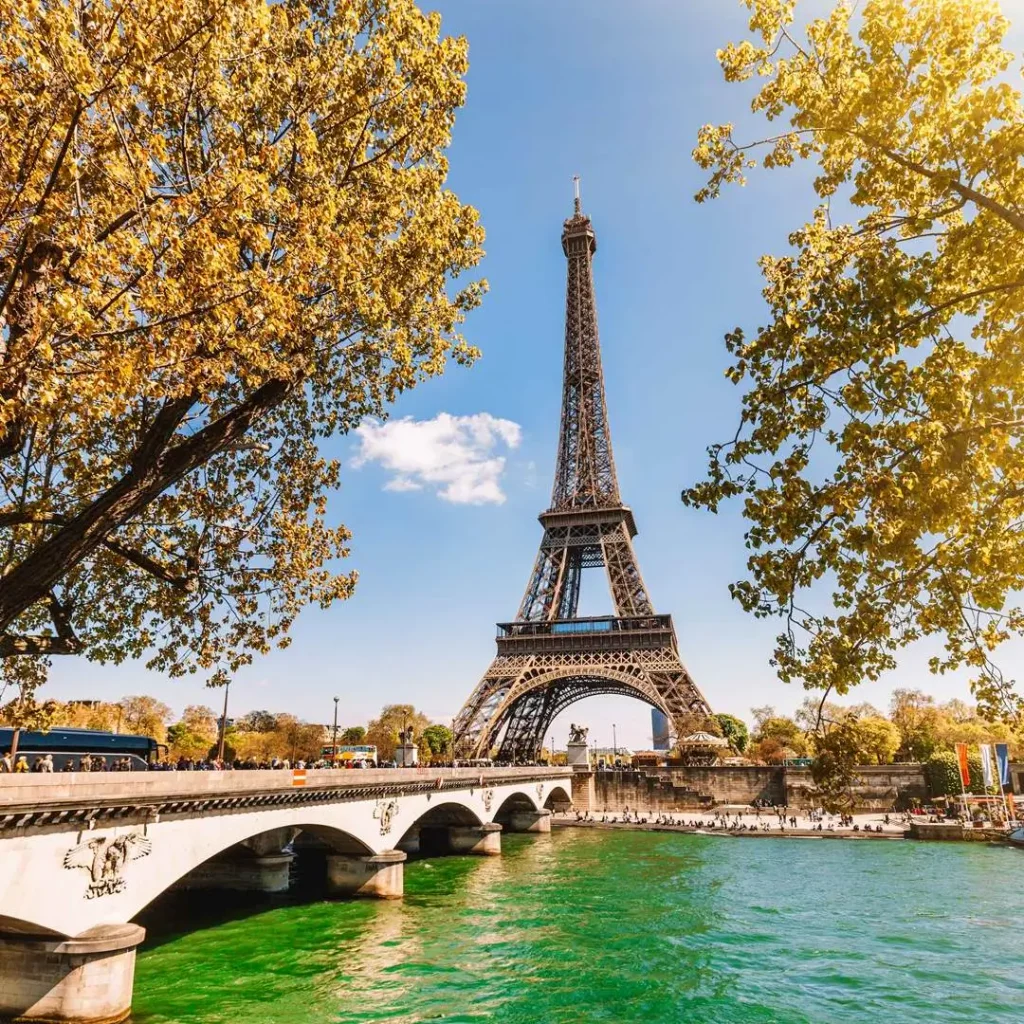
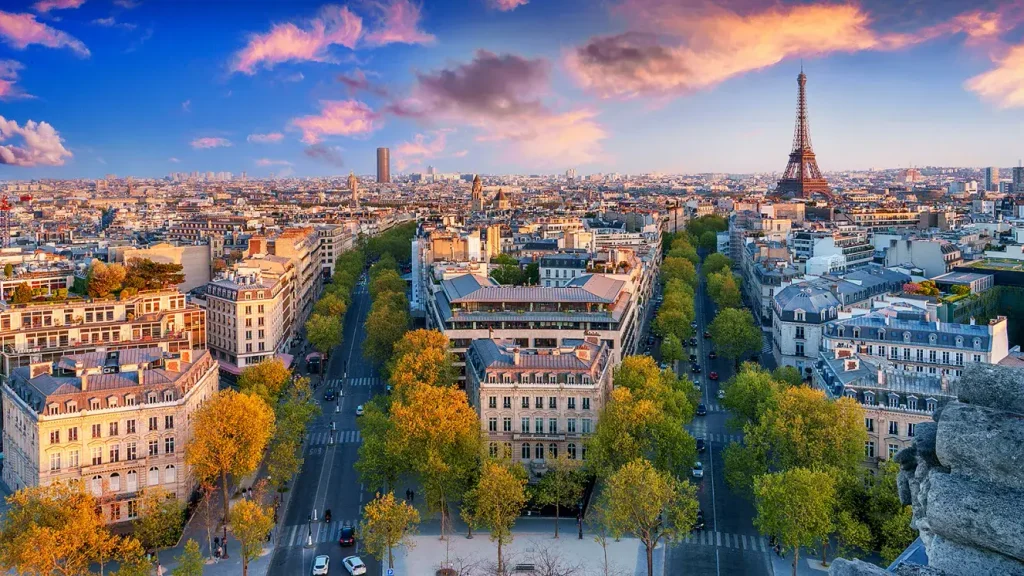
No trip to Paris feels complete without seeing the Eiffel Tower up close, but the “how” matters more than most visitors expect. Timed-entry tickets are essential the tower sells out days or even weeks ahead during spring and summer, and walk-up lines can eat two or three hours of your day. Booking online in advance and picking a summit or second-floor slot avoids most of that wait. For the best experience, aim for either early morning (fewer crowds, softer light for photos) or sunset, when the tower is lit against a darkening sky and the surrounding Champ de Mars fills with a relaxed, picnic-blanket energy rather than a tourist rush.
Louvre
The Louvre isn’t just the world’s most visited museum it’s also one of the easiest to get badly stuck at if you don’t plan the entrance. Most visitors head straight for the glass pyramid, which is exactly why that line is often the longest. Entering instead through the Carrousel du Louvre, the underground shopping concourse accessible from the Palais-Royal–Musée du Louvre Métro station, usually means walking straight past the worst of the wait. Timed-entry tickets booked in advance are non-negotiable in spring and summer, since same-day slots can sell out by mid-morning.
Sacré-Cœur & Montmartre
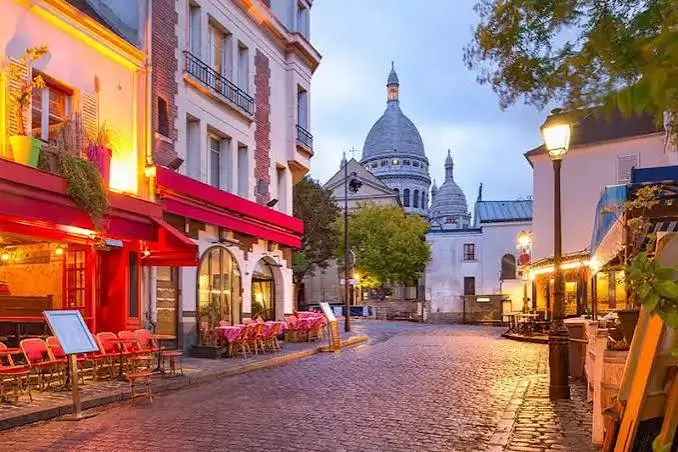
Montmartre feels like a different city entirely steep cobbled streets, ivy-covered stairways, and a hilltop basilica that looks almost otherworldly against the Paris skyline. Sacré-Cœur, with its bright white domes, is free to enter and offers one of the best panoramic views of the city from its steps, especially in the late afternoon when the light turns the rooftops gold. The climb up is real plan for stairs or take the funicular from the base of the hill if you’d rather save your legs for wandering afterward.
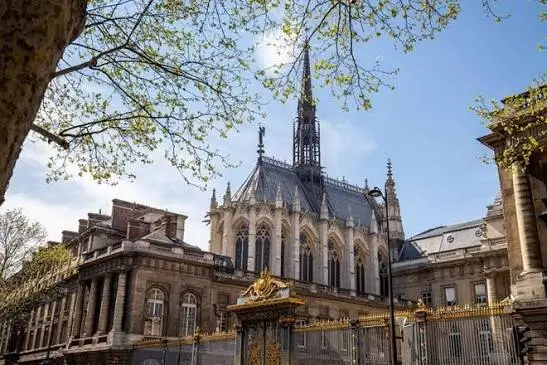
Sainte-Chapelle
Sainte-Chapelle is easy to miss if you’re not looking for it, tucked inside the Palais de la Cité on Île de la Cité, but it’s one of the most striking interiors in the city. From the outside it’s modest, even overshadowed by the nearby courthouse — which is exactly what makes stepping inside so disorienting. The upper chapel is wrapped almost entirely in stained glass, over 1,100 individual panels depicting biblical scenes, rising floor to ceiling in a way that makes the stone walls feel like an afterthought. The effect changes dramatically with the weather and time of day a sunny late morning or early afternoon visit brings the glass fully to life, while an overcast day mutes it considerably.
Seine River
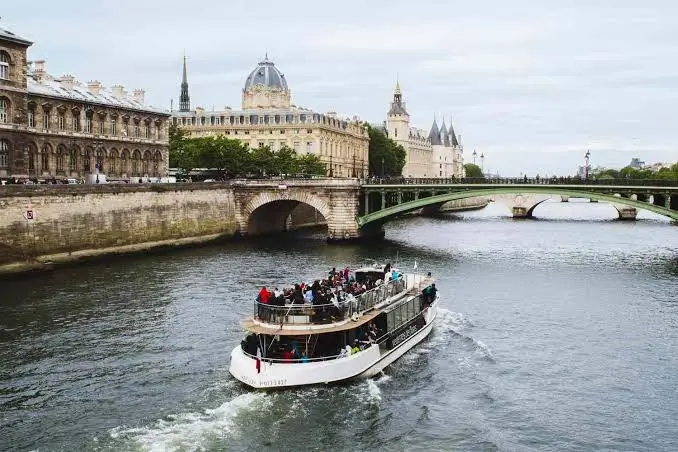
The Seine isn’t a single attraction so much as the thread that ties the whole city together, and it’s one of the few things in Paris that costs nothing to enjoy. A walk along its banks particularly between the Île de la Cité and the Eiffel Tower passes Notre-Dame, the bouquinistes’ green stalls of secondhand books and prints, and some of the best skyline views in the city, all without a ticket or a timed entry. For a different angle, a river cruise is worth the hour it takes: gliding past the same landmarks from the water gives a sense of scale that’s hard to get from the street, and evening cruises catch the bridges and monuments lit up after dark.
Paris is just one stop on the map — see our full guide to international routes from Australia for more destinations worth pairing with this trip.
A Few Booking Tips Worth Knowing
- Book 5–6 months ahead for summer or December travel; 2–4 months is usually enough for off-peak dates.
- Museum and landmark tickets (Louvre, Eiffel Tower, Musée d’Orsay) sell out in advance during spring and summer book those before you land, not after.
- Tuesday and Wednesday departures are typically the cheapest days to fly into European cities, Paris included.
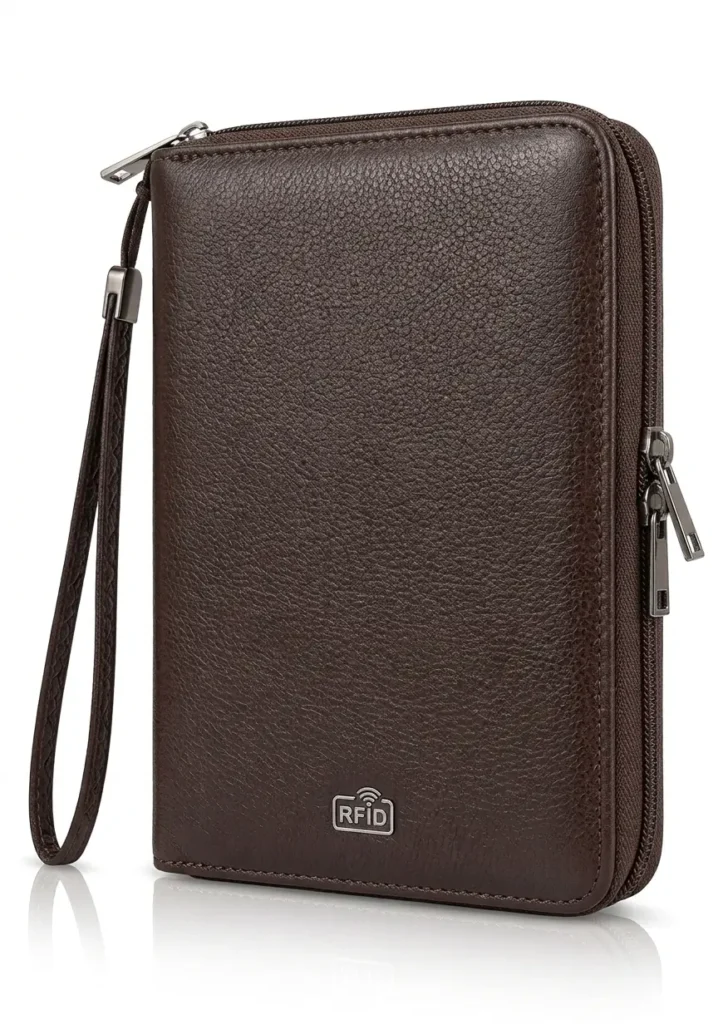
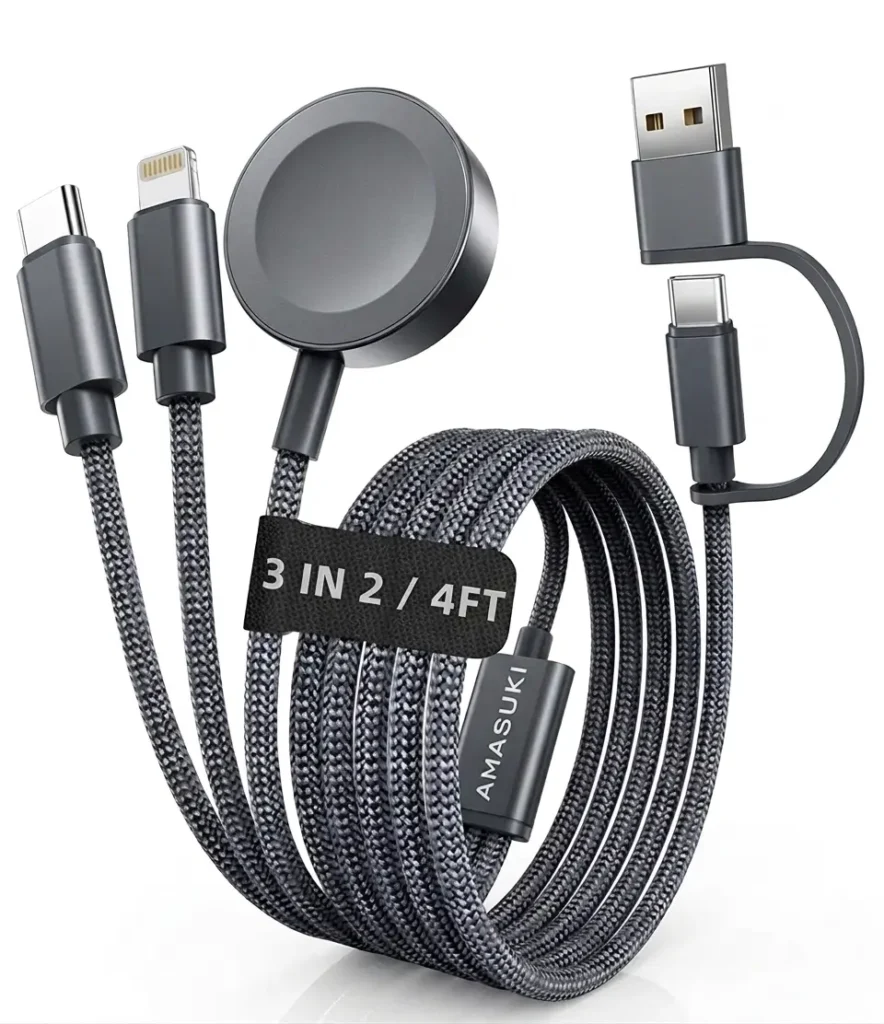
- With a flight time this long, a few travel comfort essentials — like a supportive travel pillow or airplane seat cushion — make a real difference on arrival.
Frequently asked questions
What's the cheapest month to fly to Paris?
January and February, followed by early March and late November.
CDG or Orly which is better?
CDG for most international long-haul flights; Orly if flying within Europe or on certain budget carriers. Orly is closer to the city center.
How many days do I need in Paris?
4–5 days covers the major sights comfortably, with room for one day trip outside the city
Is it cheaper to fly direct or take a connection to Paris?
Connections through hubs like Amsterdam or Madrid are often cheaper than direct routes worth comparing both before booking
What's the best area to stay for a first visit?
Le Marais or Saint-Germain-des-Prés central, walkable, and close to major landmarks.
Do I need to book museum tickets in advance?
Yes, especially the Louvre and Eiffel Tower during spring and summer timed-entry slots sell out.