About Bangkok
Bangkok hits you before you’ve even left the airport. The air is thick and warm, the traffic is already loud, and somewhere nearby someone is grilling pork skewers that smell better than anything on your flight.Our guide to finding cheap flights for international travel from Australia shows you how to spot the best fares before you book. Not sure who to book with? Read our tips on choosing a trusted travel agency. Some people love it within an hour. Others need a day or two to stop fighting it. Either way, the trip goes smoother if you know a few things before you board.
It’s one of the most visited cities on earth, and one of the easiest to fly to. Direct and one-stop routes run in from almost everywhere: about 2.5 hours from Singapore, 6 from Dubai, 9 to 10 from Australia, and 11 to 12 from London. That convenience is exactly why fares are so competitive, and why it’s worth knowing which airport you’re actually booking.
Two Airports, Two Different Arrivals
Bangkok has two, and mixing them up is a classic first-timer mistake.
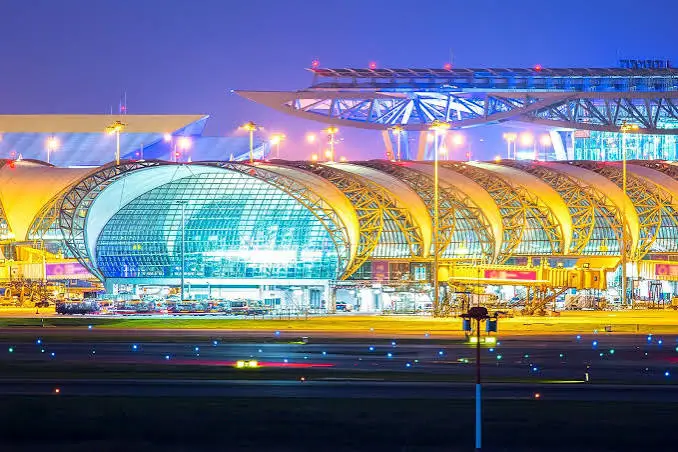
Suvarnabhumi (BKK) is the main international airport, and where most full-service airlines land. The Airport Rail Link takes you into the city in about 30 minutes for a few dollars, and it connects to the BTS Skytrain at Phaya Thai. Taxis are fine too, but insist on the meter and expect an airport fee plus tolls on top. Grab and Bolt work well if you’d rather skip the haggling.
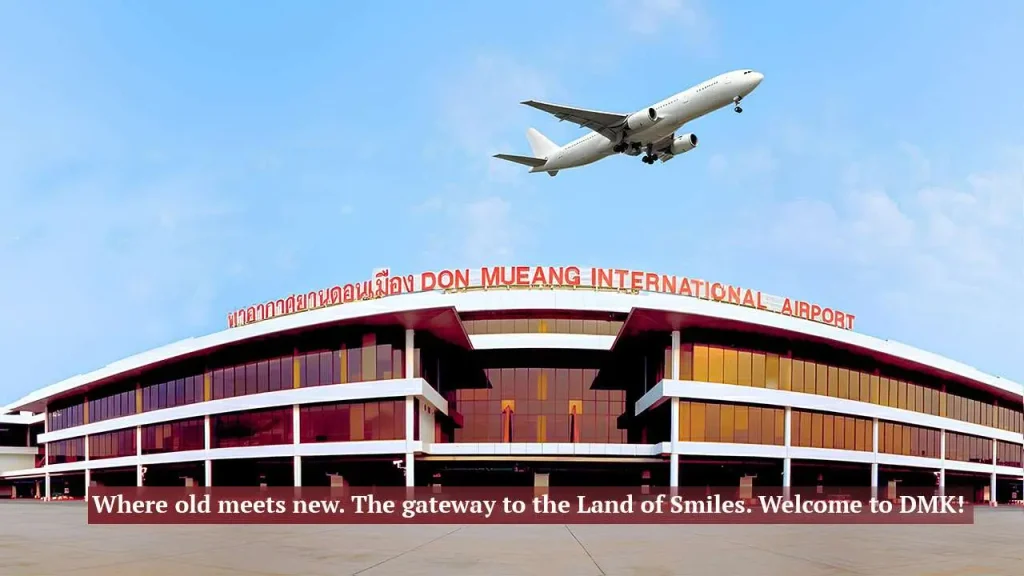
Don Mueang (DMK) is the older airport, now used mostly by budget carriers like AirAsia and Nok Air. It’s further north, and getting into the centre takes longer. Cheap fares into DMK can look like a bargain until you add the extra transfer time, so check where you’re staying first.
Where to Stay
Bangkok is huge, and sitting in traffic is a real way to lose half a day. Choose a base near the BTS or MRT lines and the city shrinks quickly.
Sukhumvit is the practical choice. Hotels at every price, great food, shopping malls and fast access to the Skytrain. It’s the safest bet for a first visit.
Silom and Sathorn suit people who like a bit of everything: office towers by day, night markets and rooftop bars after dark, and the river a short ride away.
Riverside is for slow mornings. Think hotel terraces over the Chao Phraya, ferries gliding past and temples a boat ride away. It’s pricier and less convenient for the Skytrain, but it feels special.
Old Town and Khao San put you near the big temples and the backpacker scene. Cheap, lively and loud. Fun if you’re young at heart, tiring if you’re not.
The Bangkok Day That Actually Works
Don’t try to see everything. Pick one big thing in the morning, rest through the hottest hours, then head out again when the city cools down.
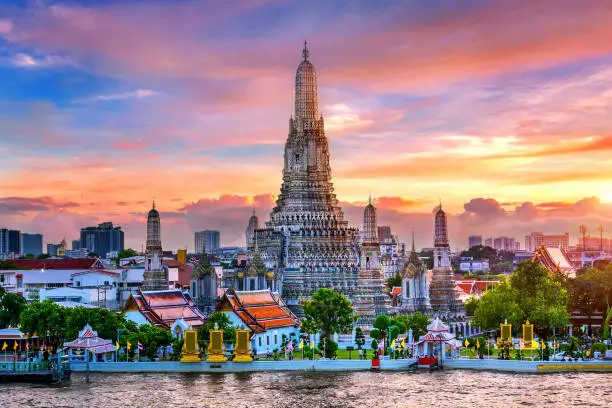
Start early at the Grand Palace and Wat Pho, before the crowds and the heat build. Cover your shoulders and knees, or you’ll be turned away at the gate. Cross the river by ferry to Wat Arun for the best views back over the old city.Bangkok is warm and humid, with sudden tropical showers. A slim portable fan takes the edge off the heat during temple visits and market strolls, while a windproof travel umbrella keeps a downpour from spoiling your day.
By midday, find air conditioning. A mall, a café, a foot massage, anything. This isn’t laziness, it’s strategy.
In the evening, go to Yaowarat (Chinatown). The street food of Bangkok is the point. Roast duck, oyster omelettes, mango sticky rice, all eaten standing up beside a plastic stool. If you’ve got a weekend free, Chatuchak Market is enormous and worth getting properly lost in.
A Few Things That Trip People Up
Tuk-tuk scams. If a friendly stranger tells you the Grand Palace is closed today, it isn’t. Walk on.
Getting around. The BTS Skytrain and MRT are fast, clean and cheap. Use them for most trips, and use ferries along the river. Taxis are cheap too, but traffic can turn a 10-minute ride into an hour.
Cash still matters. Cards work in malls and hotels, but street stalls and smaller shops often want cash.
Check entry rules. Thailand’s visa and arrival requirements change from time to time, including online arrival forms. Confirm the latest on the official government site before you fly.
When to Go
November to February is the cool, dry season, and the most comfortable time to visit. It’s also the busiest, so book flights and hotels early.
March to May is brutally hot. Songkran, the water festival in mid-April, is a wild time to be there, but you’ll get soaked and prices rise.
June to October is the rainy season. Expect short, heavy downpours rather than all-day rain. Fares and hotels are often at their cheapest, and the city is quieter. If you don’t mind a wet afternoon, it’s good value.
Frequently asked questions
Which airport is better, BKK or DMK?
Bangkok for most international flights and an easier city transfer. DMK only if the fare is clearly cheaper and your hotel is on that side of town.
How many days do I need in Bangkok?
Three or four is enough for the highlights. Add a couple more if you want day trips or a slower pace.
What's the cheapest time to fly to Bangkok?
Usually the rainy season, between June and October, outside school holidays.
Is Bangkok safe for tourists?
Generally yes. Watch for scams around major sights, keep an eye on your belongings in crowds, and use metered taxis or ride-hailing apps.
Do I need to book temples in advance?
Not usually. Just go early and dress respectfully.
Is it better to stay near the airport or in the city?
In the city. Unless you have an early flight or a long layover, the Airport Rail Link makes it easy.